Audi’s U.S. Factory Plan Faces Pushback From Volkswagen Workers
Audi’s U.S. factory announcement has stirred worker criticism in Germany, as EV sales diverge by market and Porsche and LiveWire adjust course.

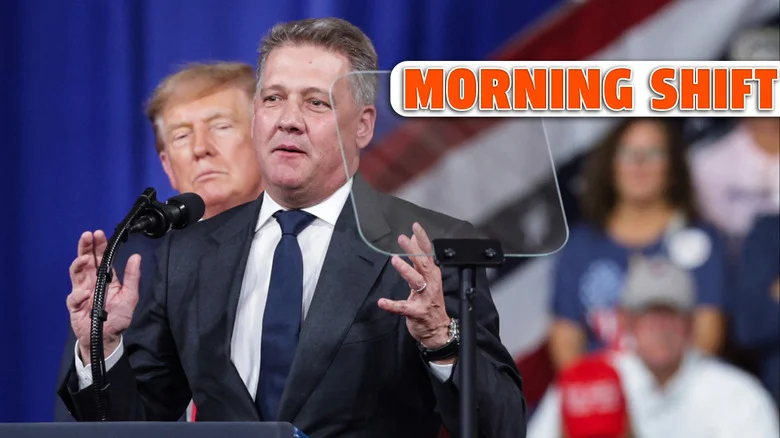
Audi’s planned U.S. factory may create a challenge inside Volkswagen Group before construction even begins. CEO Gernot Döllner announced the project alongside Donald Trump, drawing criticism in Germany and putting the plan in front of a board where labor representatives hold half the seats. The episode lands as Volkswagen considers job cuts and factory closures at home.
The tension is plain: Volkswagen is weighing a major U.S. investment while reducing its German operations. That contrast could make the Audi project harder to approve, particularly if workers see it as a commitment to expand overseas while jobs at home are at risk. The factory announcement has therefore become more than a question of where Audi will build cars; it has sharpened the debate over who gets a say in Volkswagen’s restructuring.
 canon_photographer/Shutterstock
Audi’s announcement complicates Volkswagen’s restructuring
Döllner appeared with Trump at a rally to announce Audi’s new U.S. factory. The reception in Germany was sharply negative. Frankfurter Allgemeine Zeitung described the appearance as “Bending the Knee in Georgia,” while other commentators called the Audi chief a national embarrassment. Döllner is also a key ally of Volkswagen Group CEO Oliver Blume, making the criticism relevant beyond Audi itself.
The investment needs approval from Volkswagen Group’s supervisory board. Under Germany’s co-determination system, labor representatives occupy half the board seats, and Lower Saxony, Volkswagen’s home state, holds two. That gives workers a direct route to influence a decision that could otherwise be presented as a straightforward response to U.S. market conditions.
There’s a practical business question here, too. Volkswagen is considering shutting factories and cutting jobs in Germany, while Audi is preparing to spend on a new plant in the United States. The contrast may give unions more influence in discussions over the group’s plans. Whether the investment proceeds will depend on the board process, but the reaction shows that the announcement has already made the wider restructuring more contentious.
Audi’s U.S. factory announcement was presented as a major step for the brand in America. Its reception at home suggests that Volkswagen will have to account for how the project fits with its workforce plans, as well as what it could bring to the U.S. market.
EV growth is uneven across markets
Electric vehicles continue to gain ground globally, but the United States is an exception in the trend described by Automotive News. China has built demand through industrial strategy and subsidies; Europe has used more gradual incentives and rules. In some emerging markets, interest in electric vehicles is tied to limited access to fossil fuels. Different conditions are shaping adoption, but the U.S. is increasingly out of step with the wider market.
Mike Murphy, founder of EVs for All America, framed the central question as whether the country will become “a small, lucrative market with specialty vehicles” or compete in the global volume business. He said that future is “very uncertain.” That distinction matters to automakers deciding which models to develop, build and sell in each region. A smaller market can still support expensive specialist cars, but it may attract fewer of the products designed for broader international demand.
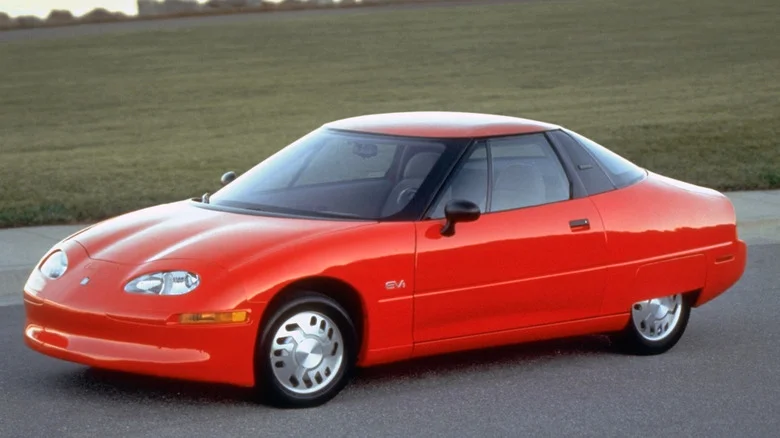
The GM EV1, introduced in the 1990s, is a reminder that interest in electric cars has a long history in the United States. The current divergence raises a more immediate concern for buyers: if U.S. demand lags, automakers may have less reason to bring their newest or most varied electric models to the country. Affordability also matters. When fewer customers can manage the price of a new car, the market for new technology gets narrower.
 Kim Kulish/Getty Images
LiveWire weighs its next move
LiveWire’s electric motorcycles face a difficult sales environment, and the company has now lost its chief executive. Karim Donnez resigned last week. A special restructuring committee is reviewing the company’s options, and Roy Gallagher, a senior managing director at Ankura Consulting Group, has been appointed chief restructuring officer.
LiveWire said the steps are intended to support “a comprehensive evaluation of our strategic alternatives.” Its shares rose 2% on Monday, but had fallen 62% since the start of the year. Northcoast Research analyst John Healy called the product “a great concept,” while questioning whether it was ready for a mass market.
The S2 Del Mar makes the question tangible for riders who like the bike but worry about the cost and availability of dealer maintenance. Price and service access can shape ownership as much as the motorcycle itself, particularly for a brand whose products haven’t sold at the pace of Harley-Davidson’s Sportsters. LiveWire’s review will determine what comes next for the company and its electric motorcycle range.
 Barry Brecheisen/Getty Images
Porsche’s smaller sales plan shows early signs of progress
Porsche is pursuing a different response to a tougher market: sell fewer cars and earn more from each one. The company reported a profit recovery for the first nine months of 2026, an early indication that CEO Michael Leiters’ plan to downsize and retreat from China may be taking effect.
Leiters took office at the start of the year. Volkswagen Group appointed him to change course after Porsche’s electrification strategy failed to gain traction, leading to €2.7 billion ($3 billion) in restructuring costs. The new approach puts profitability ahead of volume, which could shift the company’s focus toward higher-priced models.
If that means Porsche increasingly prioritizes six- and seven-figure cars over higher-volume models such as the base Macan, the buyer mix could change. Fewer sales may help margins, but a narrower range of attainable used cars could follow if that strategy persists. Porsche’s nine-month results offer an early signal; the longer-term test is whether stronger returns can hold while the brand changes its product and market priorities.
 PJ McDonnell/Shutterstock
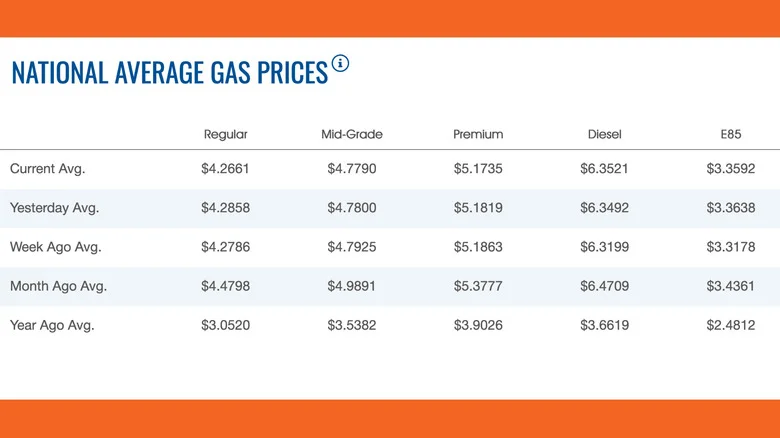
Elsewhere in the day’s roundup: the New York City subway opened on October 27, and AAA gas prices were nearly two cents lower than the previous day. Caroline Rose’s “Soul No. 5” is on the radio pick.
History of the New York City subway opening | LiveWire S2 Del Mar