Fernando Alonso Repeats Criticism of F1 Racing at the Back of the Grid
After his Austin collision with Alex Albon, Alonso says difficult cars and frequent mistakes shape racing at the back of the F1 field.
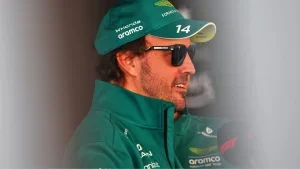
Fernando Alonso has stood by his criticism of driving standards at the back of the Formula 1 field after his collision with Alex Albon at the United States Grand Prix. His point goes beyond that Austin incident: he says cars at the rear are harder to control, mistakes happen more often, and some drivers take risks that he considers unnecessary.
Alonso made the comments after the race, when he blamed Albon for the clash and described the quality of driving among the back third of the grid as “very low”. As the next race approached, he said he had not changed his view. He also pushed back on attempts to pin down exactly how many drivers he meant.
“I don’t know if it’s one-third, because then I saw some reports trying to pick up eight or seven drivers. I’m not specific about the number of them,” he told media, including Motorsport Week. “But I think we all know which ones we’re talking about and which ones they felt hit by that comment. So that tells you everything. I still feel the same. That was a mistake that was not needed.”
Why Alonso says the back of the field is harder to manage
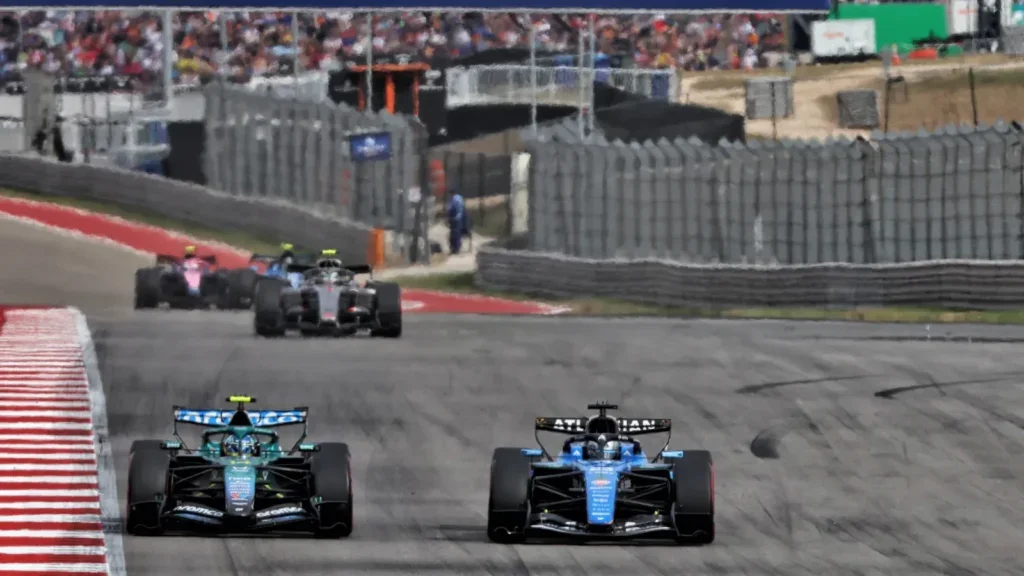
Alonso’s explanation starts with the cars themselves. He says cars running at the rear have less grip and are more difficult to drive, leaving their drivers with less control and increasing the chance of errors. That can make close racing more unpredictable, particularly at the start, when cars are bunched together and small misjudgments can turn into contact.
He described the pattern as longstanding rather than something unique to this season. “Obviously, at the back of the grid, the cars are difficult to drive,” he said. “They’re more difficult to drive. They have less grip. Mistakes are coming more often because you don’t have the environment that is under control.” In his account, a car that offers less confidence gives a driver fewer margins when attempting a move or responding to another car.
That context helps explain Alonso’s frustration, but it doesn’t excuse every collision. He said he still struggled to see what opportunity Albon had identified in their Austin clash. He added that the incident was part of a wider pattern he had observed during the season, including first-lap contact and damaged front wheels. Alonso said some of what he sees from the cockpit is difficult to describe, but his core complaint was that these incidents need not happen.
Risk, repairs and the push for a future seat
Alonso also pointed to the cost cap as part of the setting. His argument was that teams may accept repeated damage if they consider it manageable within their spending limits. That leaves a practical tension for teams: contact can cost time and components, while a driver racing for position may still judge an aggressive move worthwhile. Alonso did not offer figures on repair costs or say how particular teams weigh those trade-offs.
He did not assign the responsibility for these incidents to the stewards. In his view, their role is limited when a move is not clearly unsafe; he put the focus instead on drivers’ ambitions and their desire to stay in Formula 1 or earn a place with a stronger team.
“If they want to stay in Formula 1 for longer, if they want to have an opportunity into a bigger team, they are happy to crash,” Alonso said. That is a pointed reading of the incentives at the back of the grid, where drivers may feel they need to make an impression. It remains his assessment, rather than evidence that every driver involved in a collision shares that calculation.
For teams and drivers, the trade-off is familiar: fighting hard can create opportunities, but poor control and avoidable contact can erase the gains. Alonso’s comments put the focus on how car behavior, race positioning and career pressure combine in close battles. The next time he and Albon share track space, their response to that pressure will be watched closely.
READ MORE: Kimi Antonelli amongst drivers struck by illness ahead of potential F1 title decider
The post Fernando Alonso stands firm on F1 driver criticism appeared first on Motorsport Week.
===