Sunrun’s Battery Fleet Shows How Home Storage Can Support the Grid
Sunrun says its residential battery network reached 416 MW in 2025, with customer participation in its grid programs rising more than fivefold.
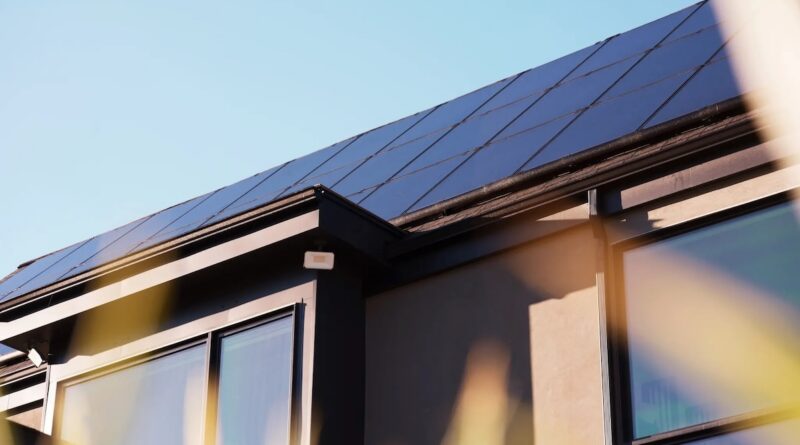

Home batteries are becoming a grid resource as well as a way for households to manage electricity costs. Sunrun’s figures show the scale that residential storage can reach: the company reported 416 megawatts of storage capacity at the end of 2025, and said participation in its distributed power programs had climbed to more than 106,000 customers. Its shift toward storage puts that network at the center of its business story.
Storage widens Sunrun’s customer base
Sunrun remains a rooftop solar provider, but CEO Mary Powell described a sharp turn toward energy storage during a Climate Week event in New York City. The shift reflects a practical feature of batteries: while rooftop solar is a natural pairing, a battery can store electricity from the grid, too. Households with a grid connection and access to a utility discount program may be able to participate without installing solar panels.
That broadens the potential market beyond homeowners who can add solar. It also puts the focus on household economics and control. Powell cited Sunrun customer surveys indicating that about two-thirds value clean technology for reasons other than environmental benefits. Around 66% prioritize control and independence, compared with 33% who prioritize the planet, she said. She added that Sunrun’s customers come from across the political spectrum.
For buyers, the appeal depends on the available utility programs, the battery’s role in the home and the value of the bill discount or other compensation. Sunrun framed batteries as an asset that can provide backup power while also earning value through grid participation. The company’s pitch is that a battery can serve both the household and the wider power system.
Virtual power plants turn household batteries into grid capacity
Sunrun’s storage strategy is tied to virtual power plants, or VPPs. These programs coordinate electricity use and battery output across many smaller resources, including home batteries and solar systems. Participating households typically receive a rebate or utility bill discount for making their equipment available. More background on VPPs is available here.

Powell prefers the more literal description “distributed” energy systems, since the hardware in homes is what makes the network work. VPPs depend on connected devices and smart grid technology to coordinate many separate sites. Utilities once relied on broad public appeals asking customers to reduce electricity use during periods of strain. Networked batteries allow operators to coordinate resources across thousands of households instead.
The distinction matters for how buyers assess a battery. Its value can include backup power and lower bills, but enrollment in a grid program can also let the utility or provider call on stored energy at certain times. The details of participation and compensation vary by program; the source describes rebates or discounts as the typical incentive.
Participation and capacity rose sharply
Sunrun reported that customer participation in its distributed power programs grew from 20,000 in 2024 to more than 106,000 in 2025, a more than fivefold increase. The company said its customers had become one of the largest sources of flexible, dispatchable energy in the United States. It put the combined capacity of its storage portfolio at 416 megawatts by the end of 2025, comparable to or greater than the capacity of many gas peaker plants.
Those figures put a residential battery network in a category usually associated with large power facilities. The comparison is about capacity, rather than a claim that home batteries provide identical output or operating characteristics. Still, the scale points to why utilities and grid operators are paying attention: a connected fleet can deliver power when demand peaks, including when weather conditions raise system pressure.
Sunrun also linked storage to household energy independence and backup capability. The company said it had installed more than 237,000 solar and storage systems, representing about 4.0 gigawatt-hours of networked storage capacity. It compared that total with the 9 gigawatt-hours of residential storage installed across the country since the industry began, based on cumulative data from the Solar Energy Industries Association. Sunrun said it expects to exceed 10 gigawatt-hours of dispatchable energy within two years.
The Solar Energy Industries Association’s data also placed Sunrun at nearly 48% of residential storage systems installed nationwide in 2025. That share makes the company’s execution especially relevant to the market, while also underlining how concentrated its reported position is.
Grid events show what the fleet can deliver
In June, Sunrun said more than two-thirds of its storage fleet—over 130,000 home batteries—was connected to grid programs. The company said those batteries could provide 650 megawatts of peak power during summer heat waves and other weather disruptions.
A September 9 heat event offered a real-world demonstration. Sunrun and Tesla coordinated 580 megawatts of residential battery capacity in California to help ease pressure on the grid. Tesla contributed Powerwall batteries, while Sunrun dispatched batteries from other manufacturers. The example shows how a distributed fleet can combine equipment from different providers in a coordinated response.
Sunrun also said that 70% of its rooftop solar customers added a battery to their order. That figure suggests strong demand among solar buyers, though the company’s storage strategy reaches beyond that group. For households considering a system, the core question is how backup needs, utility program terms and expected bill savings fit together.
Solar remains part of the plan
Storage is the company’s current emphasis, but Sunrun continues to build its rooftop solar business. Solar manufacturer Heliene said on September 29 that Sunrun had secured access to its newly introduced 108HC All-Black module. Heliene Chief Commercial Officer David Reasenberg said the work with Sunrun would support investment in the domestic rooftop solar supply chain.
The arrangement gives Sunrun a supply connection as it serves customers who want solar alongside storage. Its broader strategy suggests that batteries can bring more households into grid programs, while rooftop solar remains a key source of home-generated electricity. Sunrun’s next test is whether it can turn its large installed base into dependable capacity and meaningful household value as its network grows.