Clean Energy Economics Are Shifting the Case for Fossil Fuel Imports
For fuel importing countries, renewables and electrification can reduce recurring energy costs, but grids, financing and household access shape the gains.
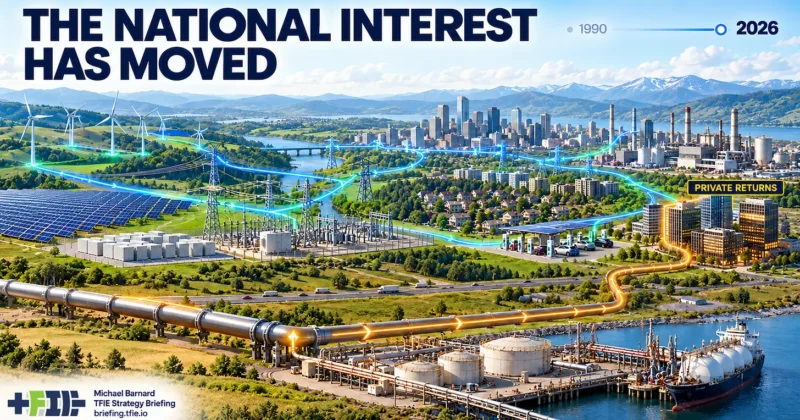

For many countries that import oil and gas, sticking with fossil fuels may now carry an economic cost of its own. Solar, wind and batteries have become far less expensive, electric vehicles are widely available in many markets, and heat pumps can replace combustion heating in many buildings. The result is a different choice from the one facing energy planners in 1990: continuing to buy fuel exposes a country to recurring costs, while electrification can shift more spending toward equipment and infrastructure that deliver services over time.
That shift changes the usual argument about climate free riding. A country can still benefit from emissions cuts made elsewhere while taking too little action at home. But for fuel importers, delaying a move away from combustion can also mean passing up ways to reduce fuel purchases and exposure to commodity prices, overseas suppliers and currency swings. Climate action and national economic interest may align more often than they did when cleaner options were scarce or costly.
The price of delivered power
Cheaper solar modules alone don’t guarantee cheap electricity. Utility scale projects depend on transmission, distribution, storage, flexible demand and access to finance. Without those pieces, low generation costs may not translate into power delivered when and where customers need it. In places with weak or absent grids, by contrast, solar can serve homes, businesses and industrial sites directly, reducing reliance on a centralized network.
Electrification also puts the cost of equipment up front. A driver may have access to lifetime savings from an electric vehicle but lack the financing to buy one. A household may benefit from a heat pump over time while facing the initial expense now. Countries with high borrowing costs face a related challenge: inexpensive equipment can still produce costly power when financing adds substantially to the project.
So the national calculation depends on more than the price of a panel or a battery. For fuel importers, reducing recurring fuel spending can be a major gain. For fuel exporters, oil and gas revenue may support jobs, regional economies and public budgets; replacing domestic electricity generation won’t by itself replace those earnings. The same energy shift can therefore offer a direct financial benefit in one country and a harder adjustment in another.

Who bears the costs, and who earns?
The timing matters. Building a grid can lift economic activity before fuel savings arrive, while higher electricity rates may show up on household bills right away. Cleaner air can bring health benefits that don’t appear clearly in measures of economic output. And people buying vehicles or heating equipment face the upfront price before lower running costs have accumulated.
Those delays can make private incentives diverge from the national interest. Fuel suppliers earn money when demand continues. A utility may earn a return from new infrastructure, and generators may be paid to stay available. Those commercial incentives don’t require misconduct; they can simply make extending an existing asset more attractive to its owner than changing how the system operates.
Similar tensions can arise in industries building the replacement system. Renewable developers may favor generous, guaranteed prices. Manufacturers may seek support designed around their products. Transmission companies may prefer building new lines even when storage, demand flexibility or better use of existing infrastructure could address some of the need at lower cost. Domestic industry support can also raise prices for customers when protecting producers becomes the end in itself.
The practical test is what customers receive for the money. Grid planners can compare proposed transmission with storage, flexible demand and improved use of existing lines. Utility oversight can reward dependable service, faster connections and manageable customer costs instead of treating spending on new assets as a result in itself. Support for a new industry can include milestones and end dates, giving decision makers a chance to assess whether it is delivering what customers were promised.
Affordability is part of the energy plan
Households make the transition tangible. A renter may not control the heating system. A driver may be unable to finance an electric vehicle, even if its running costs look favorable over time. Lower income customers may have little room in their budgets for near term increases in electricity costs while networks and generation are being rebuilt.
That means sequencing, access to capital and targeted help can influence whether the benefits reach people who need them. A country’s long term calculation won’t persuade households if they must pay substantial costs today and wait years for the savings. Energy plans work better when they account for who pays, when the bill comes due and who can access the equipment.
The argument comes from a comparison between the technologies available around 1990 and those available in 2026. In a TFIE Strategy Briefing, Michael Barnard considers how national interests and private energy incentives interact. The country energy simulator behind that comparison is still being developed; the broader question is whether the real world economics support its direction.
The international free rider problem remains: countries can benefit from reductions made elsewhere while contributing too little themselves. But for fuel importers, the decision now carries a more immediate economic dimension. Continuing to depend on costly fuel can preserve exposure to repeated purchases, while investment in electrification may reduce that exposure if the networks and financing are there to make it work.
When assessing an energy investment, the useful questions are concrete: what service will it provide, who pays before savings arrive, who benefits if change is delayed, and what evidence will show whether the plan worked? Those answers reveal more about the value of a project than whether it is described as clean or incumbent.