Europe’s Battery Recycling Push Targets Black Mass Exports and Refining Capacity
A joint letter urges measures to keep more battery materials in Europe and attract investment in local refining.
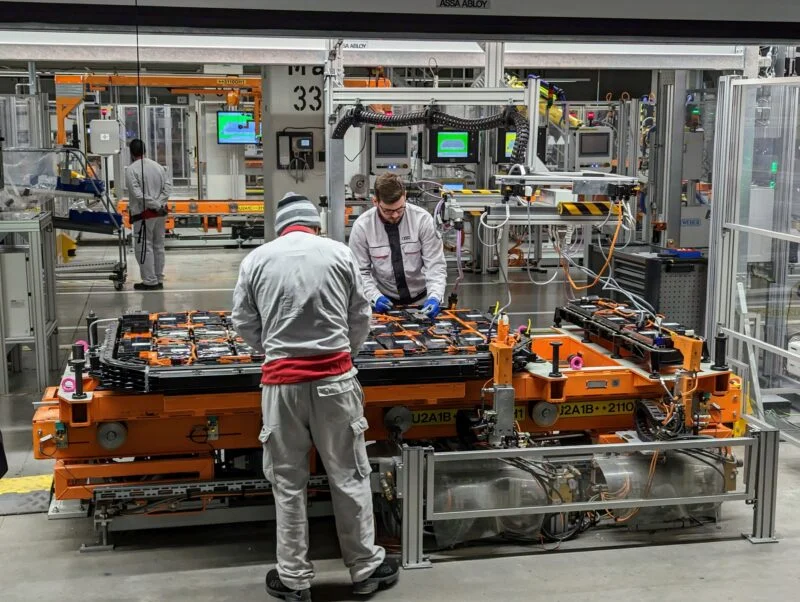
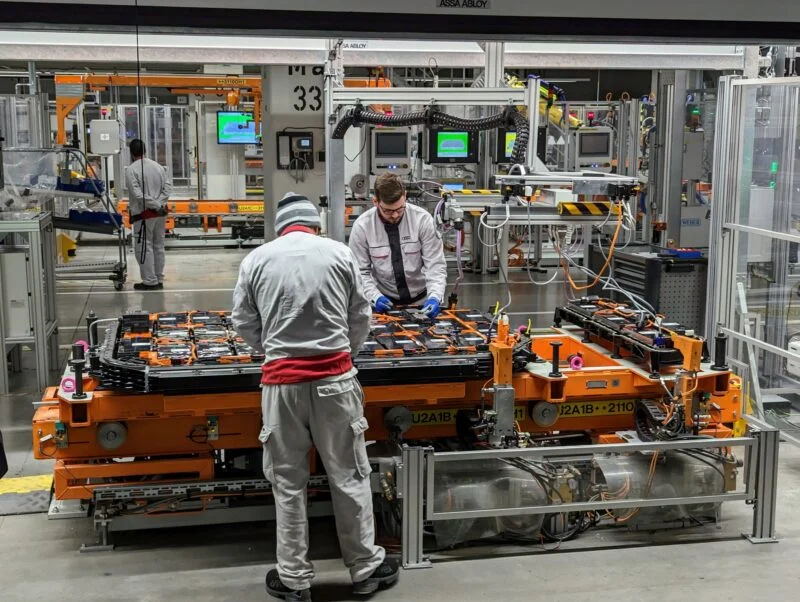

Europe’s battery recycling challenge is not just how much material gets processed. It’s whether the valuable output stays in the region long enough to be refined into usable materials. A joint letter from Transport & Environment (T&E), Recharge, Clean Tech for Europe and EIES says the forthcoming Circular Economy Act should tackle that gap while helping recyclers expand their operations.
The groups argue that recovering materials from end-of-life batteries can reduce Europe’s reliance on imported critical raw materials. But that benefit depends on building a domestic chain that extends beyond breaking down spent batteries. Europe preprocesses much of its battery waste, yet much of the resulting black mass is shipped elsewhere for final refining.
Black mass leaves before final refining
Black mass is the concentrated material produced when lithium-ion batteries are shredded. It contains critical raw materials that can be recovered through further processing. T&E analysis estimates that at least 60% of Europe’s black mass leaves the EU. The authors say the actual share could be higher because some shipments may be recorded under customs codes that don’t make them easy to trace.
That flow matters because preprocessing and refining capture different parts of the recycling value chain. If the material is shredded in Europe but refined abroad, European recyclers miss the later processing work and the value attached to recovered materials. The joint letter also warns that the pattern weakens circularity and environmental protection, while moving high-value jobs away from the region.
For battery makers and vehicle buyers, the issue sits further upstream than the familiar questions of battery range, charging and replacement. A stronger local recycling chain could provide another source of battery materials as used packs become available. The letter’s case is that this potential will stay limited unless Europe can both retain feedstock and finance the refining capacity needed to turn it into market-ready material.
Clearer definitions and shipment rules
The proposed response starts with making black mass easier to identify and handle consistently across EU countries. The groups want a harmonised definition and technical specification, alongside a single Combined Nomenclature code for black mass and its immediate derivatives. Their argument is practical: consistent descriptions would make it easier to apply customs classifications, export controls and rules for deciding when waste has become a usable product.
They also call for material-specific End-of-Waste criteria. Under the approach described in the letter, recovered material would need to be genuinely ready for sale and functionally equivalent to primary raw materials entering the supply chain. That distinction could give recyclers and buyers a clearer basis for trading recovered output, while reducing differences in how countries classify the same material.
On exports, the letter asks the Circular Economy Act to assess targeted measures covering black mass leakage and untreated battery waste. Options named include export fees or tariffs, subject to a thorough assessment of risks and impacts. The authors stress that any such step should accompany the development of European recycling capacity. In practical terms, retaining material would only help if local facilities could process it.
Investment needs demand as well as feedstock
European recyclers face financial pressure and higher energy costs, according to the letter. The groups say clearer rules alone won’t resolve the investment challenge: companies also need signs that there will be demand for recycled material and support for the costly work of refining it.
One proposal is to introduce local-content incentives for recycled materials as recycled-content targets under the EU Batteries Regulation are phased in. The letter also suggests rewarding final refining and material recovery within the EU through a bonus-malus structure in battery producer responsibility schemes. These measures would tie incentives to where recovered materials are processed, rather than treating all recycled content as equivalent regardless of its origin.
The groups further propose simpler procedures for moving critical-raw-material waste streams between EU countries when the destination is a pre-consented recycling facility. They say qualifying shipments should use a simplified information procedure instead of prior written notification and consent. Easier movement between facilities could help match waste streams with available processing capacity across borders.
Finally, the letter calls for capital and operating support from EU and national funds, with priority for refining projects that add operational recovery and processing capacity. That focus is consequential: funding a planned facility is different from increasing the amount of material that can actually be recovered. The groups want support designed to deliver working capacity.
What to watch in the Act
The proposals connect two requirements: Europe needs access to battery waste, and it needs enough refining capacity to handle the material at home. Export measures without local processing options could leave recyclers short of workable routes; new facilities without reliable feedstock and buyers would face a different commercial hurdle. The letter’s package therefore links trade rules, common material definitions, demand incentives and project funding.
The test for the Circular Economy Act will be whether it turns those ideas into practical conditions for investment and operations. For the battery supply chain, a meaningful shift would show up in more black mass reaching European refiners and more recovered material ready to re-enter production. The joint letter is available here; T&E’s original article is at this link.