UK Van Market Grows 4.8% as Electric Registrations Set September Record
UK van registrations rose for a sixth month, while battery electric vans reached 4,832. Charging access and purchase costs remain hurdles for fleet buyers.
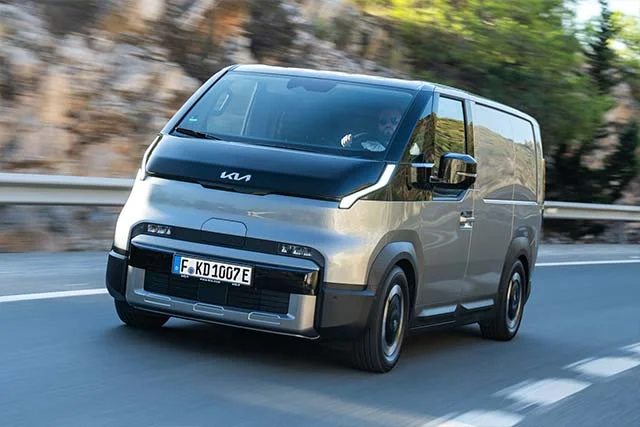
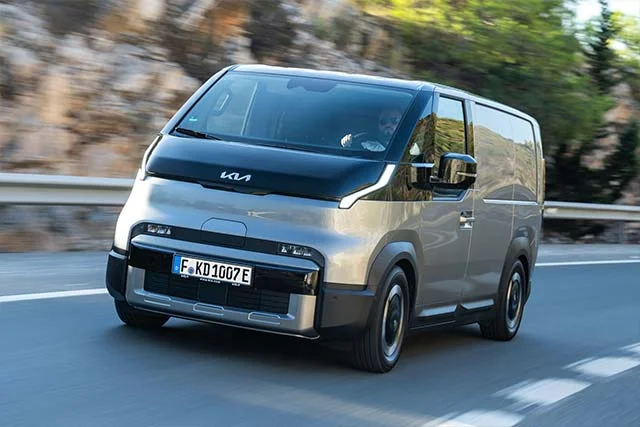
Battery electric vans reached a new monthly high in the UK in September, but their record tally still accounted for less than one in ten new light commercial vehicle registrations. That contrast captures the market’s current position: more electric models and rising sales are widening fleet choice, while charging access and vehicle costs continue to limit the pace of adoption.
The wider light commercial vehicle market grew 4.8% year over year to 49,704 registrations, according to the Society of Motor Manufacturers and Traders (SMMT). September was the sixth consecutive month of growth and the highest monthly volume recorded so far in 2026. The month’s new registration plate helped lift demand, and September even exceeded March, usually the year’s busiest month.
Large vans lead a broad market rise
Large vans supplied the greatest number of registrations and the largest contribution to overall growth. Their volume increased 11.1% to 36,302 units. Small vans rose 13.2% to 1,361 units, while medium vans edged up 2.2% to 7,304.
The 4×4 category recorded the sharpest percentage increase, climbing 221.3% to 2,079 units. The SMMT attributed much of that surge to large fleet orders, so the figure reflects concentrated purchasing as well as the month’s wider market momentum.
Pickups moved in the opposite direction. Registrations fell 53.8% to 2,658, with demand still affected by last year’s tax reclassification of double-cab pickups for benefit-in-kind and capital allowance purposes. The split between booming 4×4 registrations and a steep pickup decline shows why headline market growth doesn’t translate evenly across vehicle types.
Electric vans set a monthly record
New battery electric van registrations increased 13.4% year over year to 4,832, a September record. Electric vans held 9.6% of the total light commercial vehicle market during the month. Across the first nine months of 2026, their share was 10.8%.
That nine-month share remains well below the 24% target set for new light commercial vehicle registrations under the Zero Emission Vehicle Mandate. A record month is a useful sign of demand, but it doesn’t yet indicate that the market is close to that benchmark.
Fleet choice is expanding: more than 40 battery electric van models are now available in the UK. That breadth gives operators more opportunity to match an electric vehicle to different sizes and applications. The Plug-in Van Grant is also intended to reduce the cost of making the switch.
For buyers, however, availability is only one part of the decision. Higher upfront prices can weigh against a change of fleet, and operators may also need to budget for depot chargers and the grid connections that support them. Those costs depend on the working pattern and charging needs of each business; a vehicle purchase alone may not cover the practical requirements of electrification.
Charging access shapes fleet decisions
Vans often run on set routes and schedules, which can make charging at a depot a practical fit. Reliable access where vehicles are parked can help operators plan around charging, but installing workplace equipment and securing the necessary grid connection can take time and money. Public charging can add options, though the source figures don’t establish how well current provision meets fleets’ needs.
The SMMT has pointed to the Plug-in Van Grant and Depot Charging Scheme as measures that could help address purchase and infrastructure costs. The planned rollout of GB Grid may also support faster deployment of public and depot charging. For a fleet manager weighing a transition, the operational question is how charging access, vehicle suitability and cost work together across the business.
SMMT Chief Executive Mike Hawes said manufacturers are bringing forward new electric models and using discounts to encourage businesses to switch. He also identified purchase prices, delays in connecting infrastructure to the grid and a shortage of suitable charging facilities as continuing obstacles. His comments underline that model choice alone may not be enough to produce a faster shift.
What September’s figures show
The monthly record and the 9.6% market share measure different things: one tracks the number of electric vans registered in September, while the other shows their portion of all light commercial vehicles registered that month. Both figures point to rising activity, but the 10.8% share across the first nine months offers a broader view of how far electric vans have progressed during 2026.
September’s results suggest the market can grow when more models are offered and businesses have access to discounts. Whether that momentum lasts will depend on affordability and the time and expense involved in preparing depots and connections for charging. For operators comparing options, the practical test is whether a particular van and its charging setup fit the routes and schedules the fleet needs to run.
Source: SMMT. Registration figures and market commentary indicate a stronger electric van market, while the gap to the stated target shows that wider fleet adoption remains a work in progress.