Volkswagen Group EVs Reach 40% of European Orders as Global Deliveries Fall
EVs account for about 40% of Volkswagen Group’s European order book, even as global deliveries fell 9% through September.
Volkswagen Group’s European order book is shifting toward battery electric cars faster than its worldwide delivery totals suggest. About 40% of the group’s European orders are now all electric, while global deliveries fell 9% through September 2026, with a steep decline in China weighing on the result.
The group delivered 6.01 million vehicles worldwide in the first nine months, compared with 6.60 million a year earlier. Third-quarter deliveries fell 14.3% to 1,885,300. Europe and South America posted gains, but they weren’t enough to offset the contraction in China.
Europe’s orders point to stronger EV demand
Volkswagen Group delivered 2,956,000 vehicles in Europe through September, up 1.7% year over year. Its all-electric deliveries in the region rose 12.1% to 586,100, with growth accelerating to 19.6% in the third quarter. EVs accounted for 20% of the group’s European deliveries, up from 18% a year earlier.
Orders suggest the sales mix could keep moving in that direction. The group’s European all-electric order book has doubled since the end of 2025, and order intake rose more than 60% in the third quarter. That puts battery electric models at roughly two in every five vehicles on order in the region.
The trend fits a broader rise in electric-car demand: all-electric cars made up 21.7% of EU registrations through August, according to ACEA. Volkswagen’s sales chief cited higher fuel prices and more affordable entry-level models as key reasons for the shift in Germany.
The main draw for buyers seeking a lower entry price is the Electric Urban Car Family, a group of four small EVs: the Volkswagen ID. Polo, Volkswagen ID. Cross, Škoda Epiq and CUPRA Raval. Volkswagen Group says it has received nearly 150,000 orders for the four models.
The ID. Polo starts at €24,995, while the ID. Cross starts at around €28,000. One report cited a ten-month wait for the ID. Polo and about 35,000 orders for the Epiq. All four models are built at the group’s Martorell and Navarra plants in Spain, giving the lineup a European production base as it competes with lower-priced imports.
Škoda’s existing EV range is also gaining ground. Its all-electric deliveries increased 41.3% to 167,400 through September. Among the group’s individual electric models, the Škoda Elroq led with 92,200 deliveries. The Volkswagen ID.4/ID.5 followed at 81,900, ahead of the Škoda Enyaq at 72,700 and the Volkswagen ID.3 at 61,100.
China explains the global delivery decline
Volkswagen Group delivered 1,378,800 vehicles in China during the nine-month period, down 30.2%. The decline amounts to about 595,000 vehicles, based on the group’s regional figures. That’s slightly more than its worldwide drop of about 593,000, leaving deliveries across the other regions roughly flat in total.
China’s third quarter was especially weak: deliveries fell 38.5%, and all-electric deliveries in the country were down 42.5% to 48,900 through September. Volkswagen Group said locally developed electric models were beginning to help, with electrified deliveries up about 30% in China in the third quarter compared with a year earlier.
The group is also building its China offer around plug-in hybrids and range-extender vehicles. SAIC Volkswagen launched the full-size ID. Era 9X range-extender crossover in late April; it sold 7,330 units in April and May. The Tiguan L ePro plug-in hybrid offers 143 km of electric range on China’s test cycle.
Those vehicles sit within a growing plug-in segment. Volkswagen Group delivered 368,000 plug-in hybrids and range-extenders worldwide through September, about 23% more than a year earlier. The growth rate has eased from about 31% in the first quarter to 27% in the first half and 23% after nine months. The group attributes the increase to demand for its second-generation models, with China a key source of momentum.
A plug-in hybrid can drive the wheels using either its engine or electric motor. In a range-extender vehicle, the electric motor drives the wheels and a small engine generates electricity for the battery. Volkswagen Group reports the two types together. In the EU, plug-in hybrids accounted for 10% of registrations through August, with 758,082 vehicles registered; Italy recorded the fastest growth, at 77.6%.
EV volumes remain below last year’s pace
All-electric deliveries across Volkswagen Group’s brands reached 678,700, down 5.4% from 717,700 a year earlier. Battery electric vehicles made up about 11.3% of all group deliveries, compared with about 10.9% in the same period last year. The share rose because total deliveries declined faster than EV volumes.
The group delivered 983,000 all-electric vehicles during all of 2025, so the first nine months of 2026 are running a little behind that full-year pace. It passed four million cumulative all-electric deliveries in March. Europe supplied 586,100 of the 678,700 EVs delivered through September, or about 86% of the total.
Performance varied considerably by brand. Škoda’s all-electric deliveries rose 41.3%, while SEAT/CUPRA increased 13.5%. Volkswagen Passenger Cars fell 26.3% to 212,200, Audi declined 12.0% to 143,700, and Porsche was down 20.8%. The Audi Q6 e-tron delivered 50,400 vehicles, while the Volkswagen ID.7 reached 47,500.
Regional results outside China were mixed. North American deliveries declined 4.0% to 680,200, and South American deliveries increased 4.3% to 502,500. In the United States, Volkswagen Group’s all-electric deliveries fell 78.4% after subsidies ended and import tariffs remained high; total deliveries there slipped 7.8%.
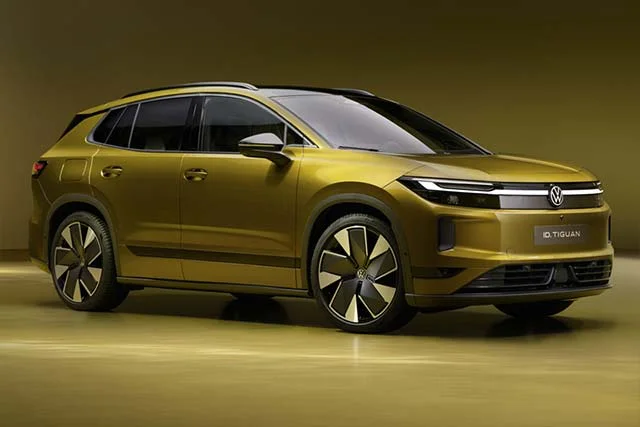
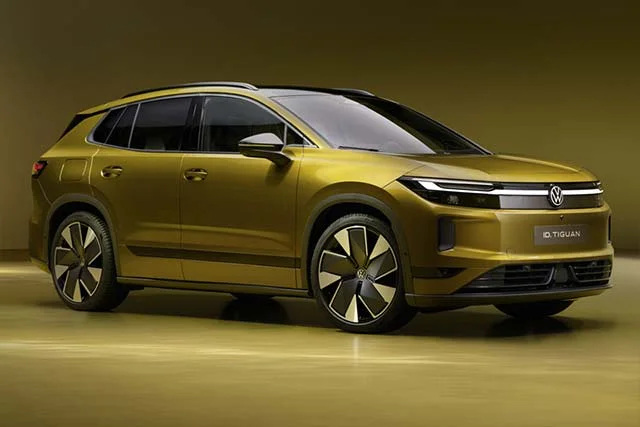
The group’s next test is whether European order growth converts into deliveries as its smaller EVs reach customers, while its China-focused models build momentum in a sharply weaker market. Its larger-model push includes the Volkswagen ID. Tiguan, listed with a range of up to 600 km and a starting price of €42,695.
For more market context, see our latest EV sales news and EU electric car sales report.