Edge Pulsar LT Review: A 10-Minute Upgrade for Silverado Controls
The Pulsar LT adds steering wheel control over tire calibration, throttle response and more. On a 2021 Silverado Trail Boss, installation took about 10 minutes.
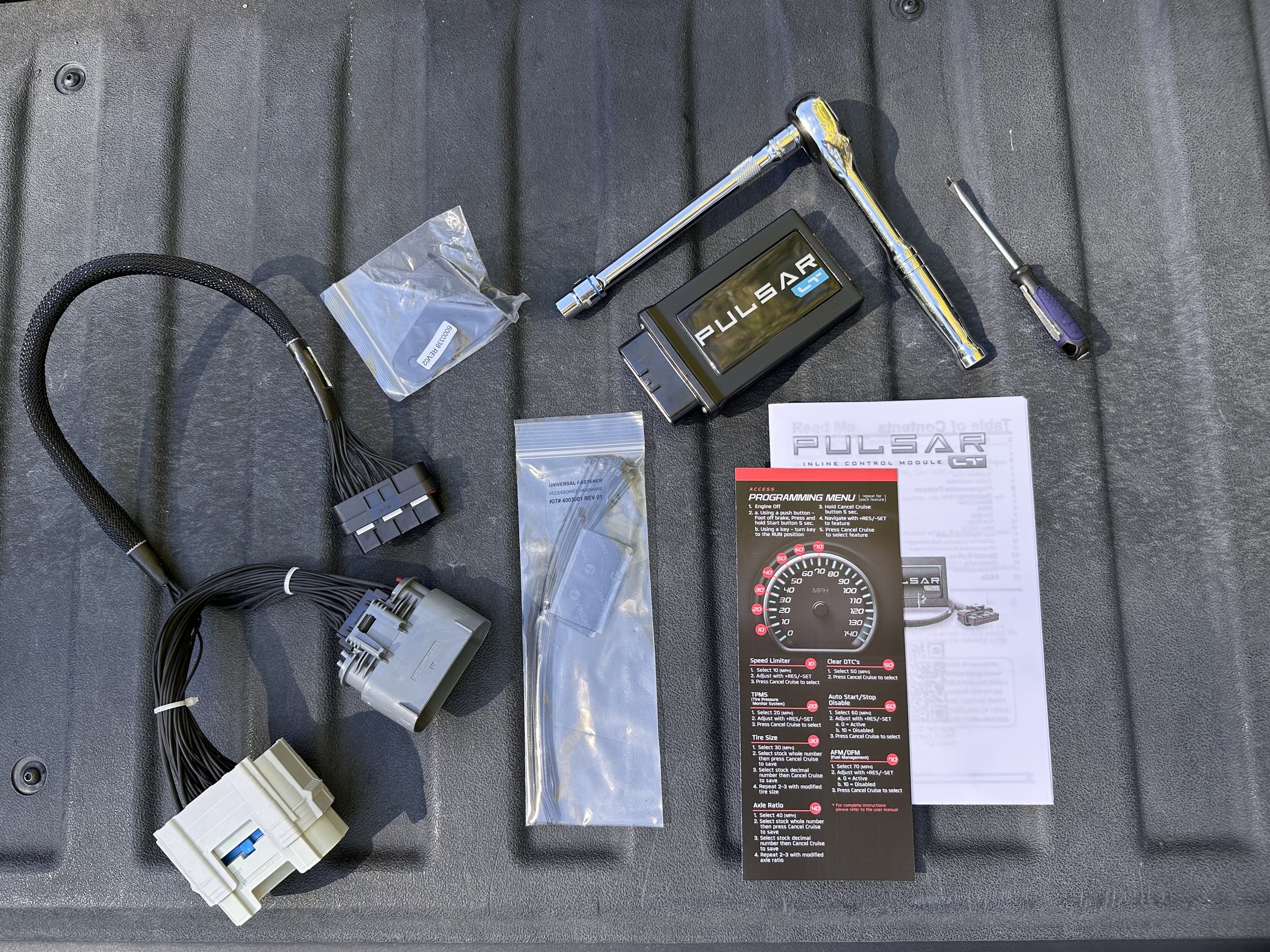
Edge Products’ Pulsar LT gives Silverado owners a way to adjust several factory settings through the steering wheel, without modifying the truck’s powertrain control module. On a 2021 Silverado Trail Boss, the plug-in installation took about 10 minutes, and the module adds controls for tire and axle calibration, throttle response, speed limiting, fuel management and more.

That makes it a practical fit for owners who want to tailor a truck around changes such as larger tires, or simply change how it responds in traffic. Edge lists the Pulsar LT for 2014–2026 GM gas and diesel applications. The unit discussed here costs $649.95, according to the article. That price buys several functions in one module, where comparable separate hardware or a custom tune could add up.
One module, several adjustments
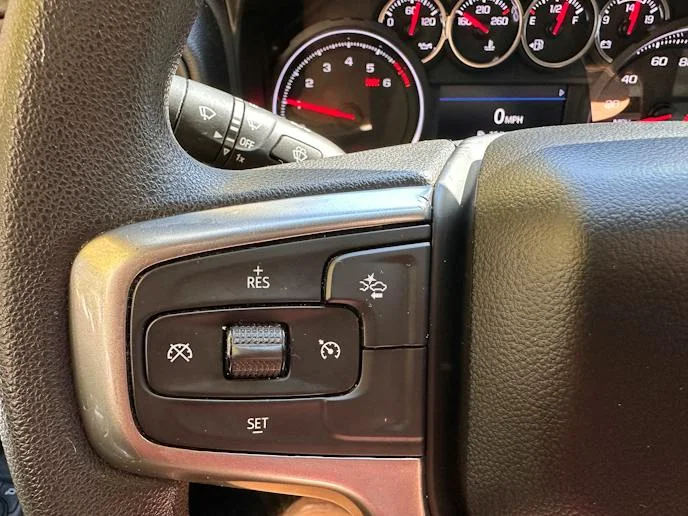
The Pulsar LT connects in line with the truck’s main harness. Its feature set includes speed limiter and tire pressure monitoring system (TPMS) adjustments, throttle response settings, diagnostic trouble code (DTC) clearing, tire size and axle ratio correction, and controls to disable Dynamic Fuel Management (DFM) and factory auto start/stop. Most adjustments are made with the engine off, using the cruise control’s set, resume and cancel buttons. Throttle response is the exception: that adjustment is made with the truck running.
Edge Products began with a focus on diesel truck performance and now offers products for gasoline trucks and SUVs, too. Its catalog includes modules, programmers, gauges, intakes and exhaust systems sold under names such as Juice, Attitude, Evolution, Insight, Jammer, Amp’d, Pulsar, EZ and Comp.
The installation described here doesn’t require a PCM modification. The source says that preserves the factory warranty; owners should check the terms that apply to their own vehicle and equipment. The attraction is straightforward: a single add-on provides several calibration and convenience controls without a custom tune or multiple separate devices.
Fitting the module
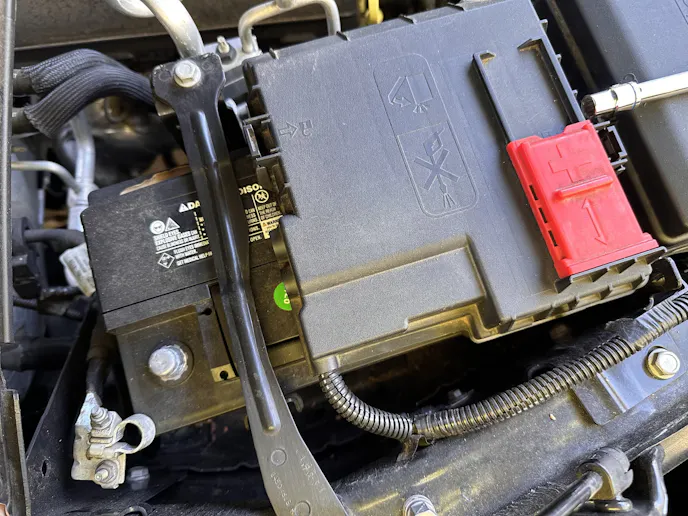
The install on the 2021 Trail Boss called for two straight screwdrivers, a ratchet with an extension and a 10 mm socket. First, the negative battery cable needs to be disconnected. On this Silverado, that meant loosening the cable’s 10 mm nut.

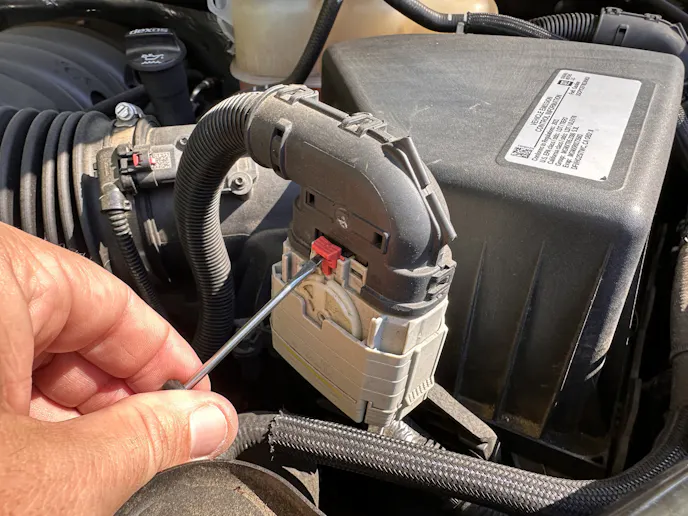
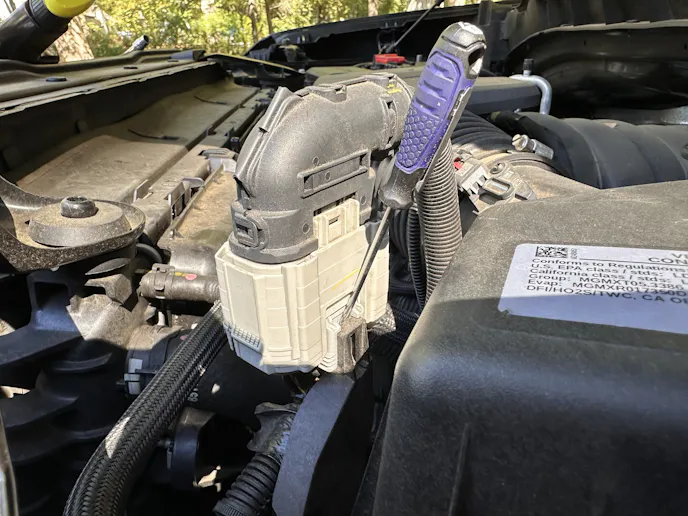
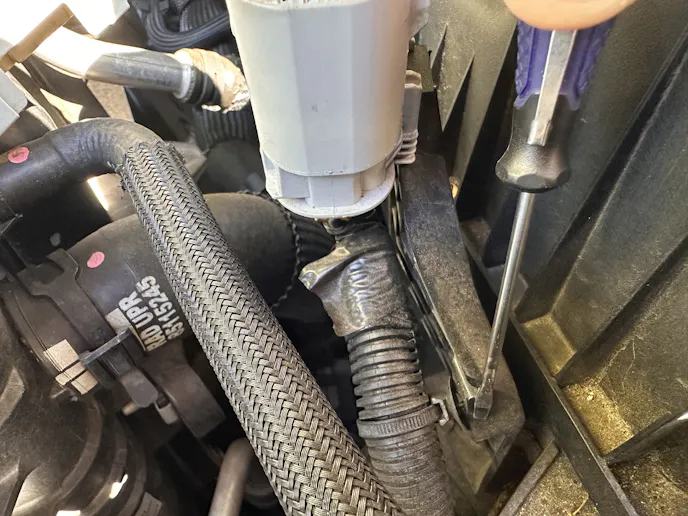
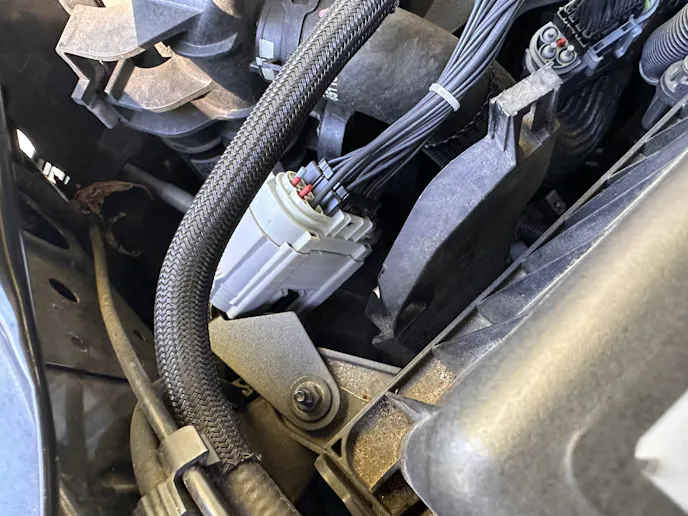
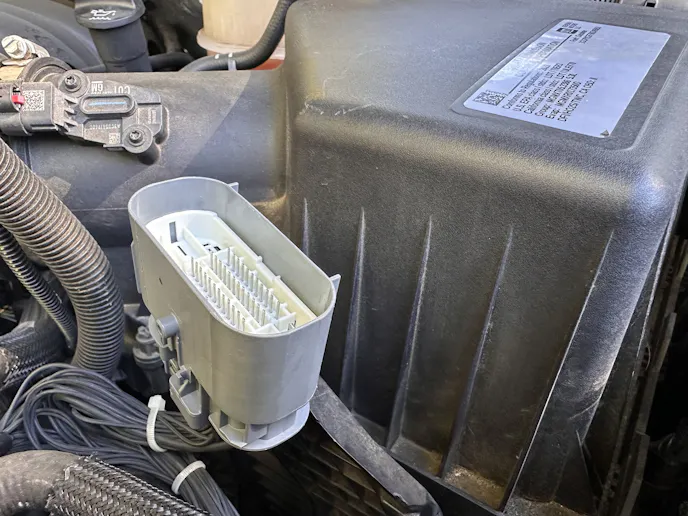
At the main harness plug, a small screwdriver helps release the locking pin at the front. The connector then separates by pressing its rear clip. A plastic rivet also holds the lower wires to the air box bracket. The installer found it easier to release the plug’s lower mounting tab and move the whole assembly, which created more room to work around its plastic clips.
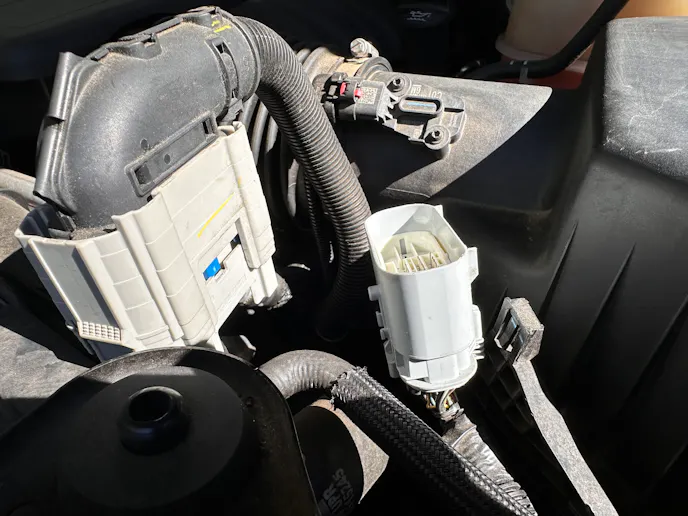
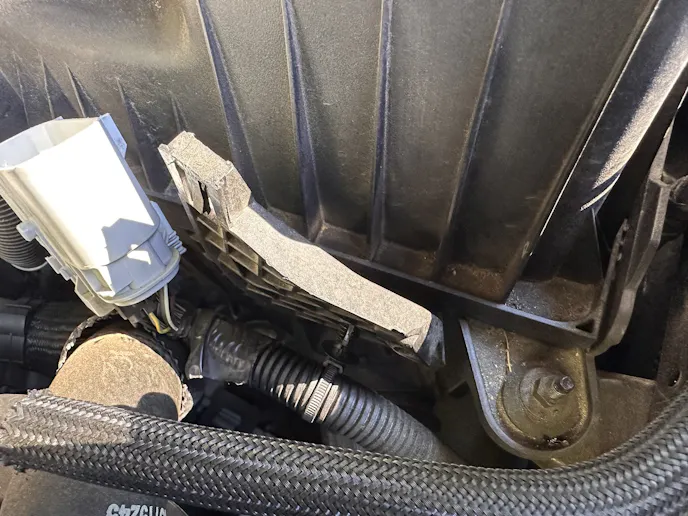
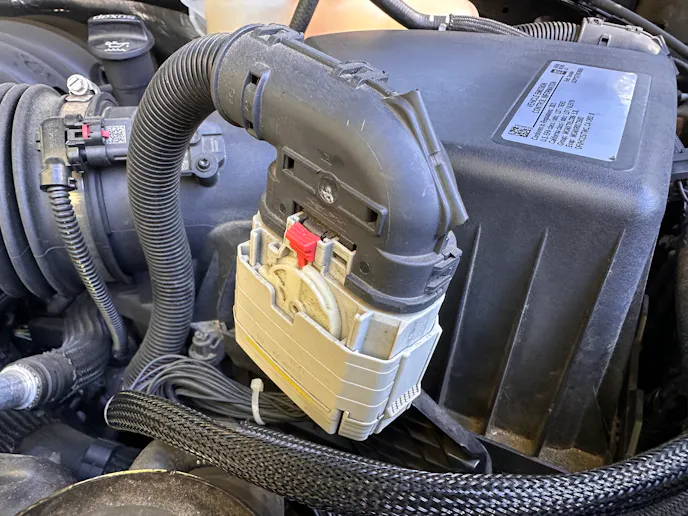
The Edge harness sits between the truck’s original male and female connector ends. Its supplied bracket mounts beneath a nut at the corner of the air box, using the same 10 mm socket. Leaving that bracket a little loose at first makes it easier to orient the wiring away from sharp metal and the upper radiator hose. The installer also used the included wire ties to secure the harness.
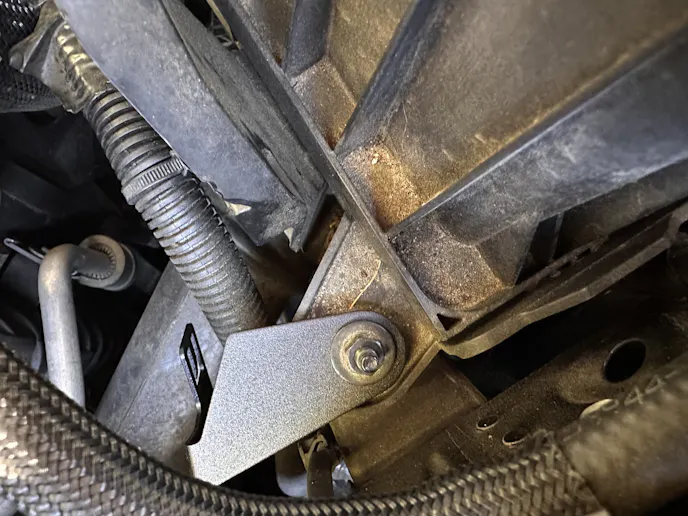
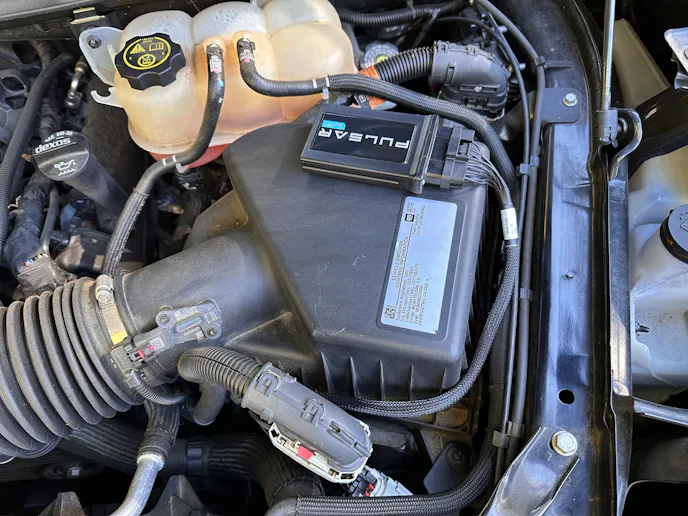
Once the bracket is in place, the module plugs into the Edge harness, which connects to both ends of the truck’s main harness plug. The connectors clip onto their brackets, and the included Velcro holds the module on top of the air box. After checking the wire routing, the installer tightened the bracket and reconnected the battery cable.
Settings through the speedometer
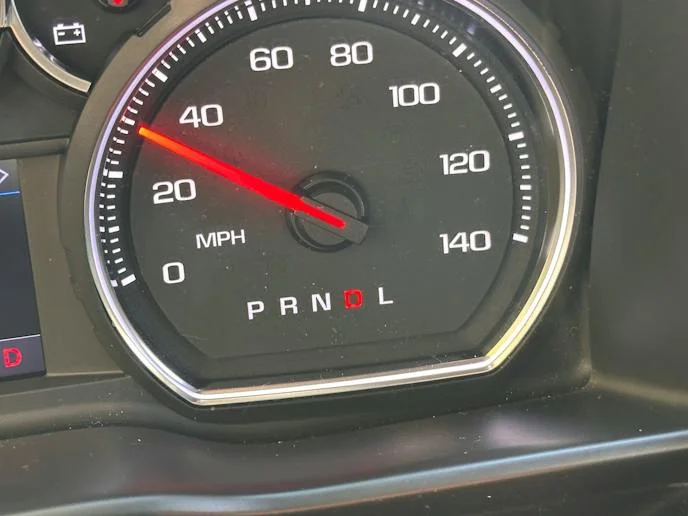
Seven of the module’s eight modes can be selected while the truck is parked. With the engine running, turn cruise control off, then switch the truck to accessory mode. The set and resume buttons move through the modes; the speedometer reading identifies each one. The cruise cancel button saves a selection. A sweep of the needle from 0 to 140 indicates that the setting has been stored.
- 10 mph: speed limiter
- 20 mph: TPMS setting
- 30 mph: tire size correction
- 40 mph: axle ratio correction
- 50 mph: clear DTCs
- 60 mph: auto start/stop
- 70 mph: DFM or Active Fuel Management
Within each mode, the speedometer also represents the available value or choice. For example, to set the limiter to 100 mph, select the 10 mph mode, move the speedometer setting to 100, then press cruise cancel to save it. The needle sweep confirms the change.
Tire and axle calibration
For tire correction, select the 30 mph mode and enter the original tire size, followed by the new size. The system takes whole numbers first and decimals second: a 33.5-inch tire, for example, is entered as 35 and then 5. Press cruise cancel after each size to save it. The reviewer had fitted Toyo tires earlier in the year and had been estimating speed because the larger tires affected the speedometer reading. After setting the Pulsar LT, its indicated correction matched a mobile GPS speedometer used for comparison.
TPMS adjustment follows a similar button sequence. The module allows values from 25 to 99 psi, which the reviewer points to as useful for towing, rock crawling or running larger, heavier-duty tires. DTCs can be cleared by selecting the 50 mph mode and pressing cruise cancel.
Axle ratio correction takes more input. In the 40 mph mode, enter the original ratio as a whole number and decimal, then save it. For a 3.73 ratio, the example uses 3 and 73. Enter the replacement ratio in the same way and save that value as well.
Throttle response and everyday drivability
The speed limiter setting ranges from 82 mph to 140 mph. Throttle response may be the more noticeable change in daily use, especially for this Trail Boss. Its 5.3-liter V8, six-speed automatic and larger tires felt less lively to the reviewer than a previous truck with a twin-turbo engine and 10-speed transmission. He expected a sharper throttle setting to help the current truck feel more responsive around town.
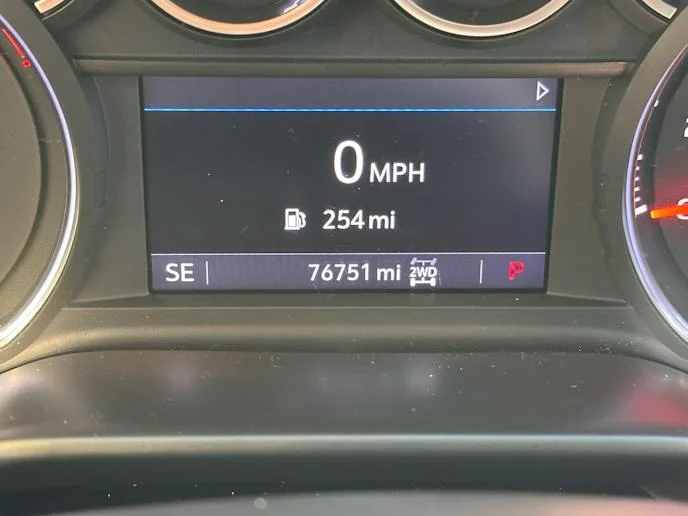
There are six throttle settings, from the factory response and a 15 percent reduction up to a 65 percent increase. With the truck running and cruise control off, the set and resume buttons cycle through the levels. Cruise cancel recalls and saves the selected setting, with the corresponding speedometer reading showing which level is active.
The reviewer’s verdict is that the installation is quick and the controls are easy to learn. For owners who have changed tire size or want to adjust the truck’s response and factory features, the Pulsar LT gathers several useful controls into a single add-on. The key tradeoff is the $649.95 purchase price; the value depends on how many of its adjustments a truck owner will actually use.