Trail Hero Brings Off-Road Access to Veterans and People With Disabilities
Rich Klein’s Trail Hero pairs Southern Utah trail riding with accessible outdoor experiences, while Wolfbox sponsors the event’s second expedition season.
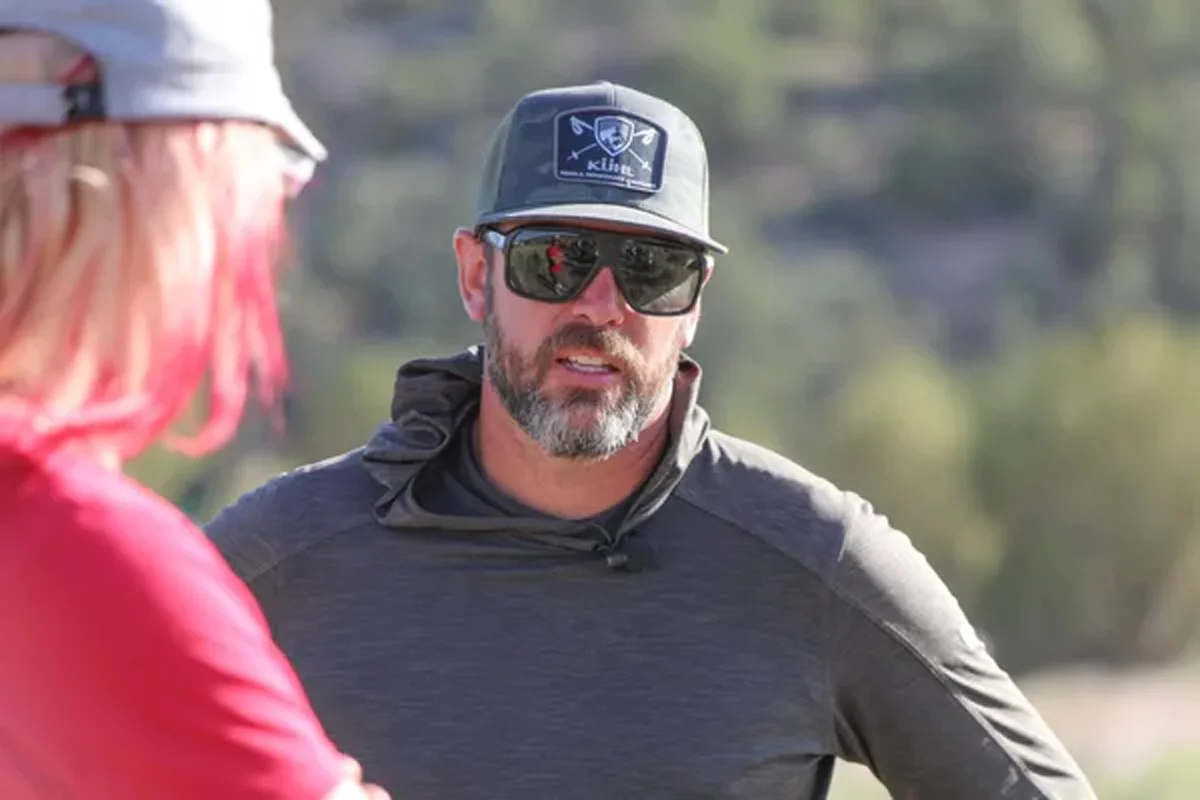
Trail Hero’s defining feature isn’t the size of its obstacles. It’s the mix of people who get to experience them. Since 2016, founder Rich Klein has built the Southern Utah event around motorized access to the outdoors for veterans and people with disabilities, bringing that purpose to Sand Hollow’s off-road community.
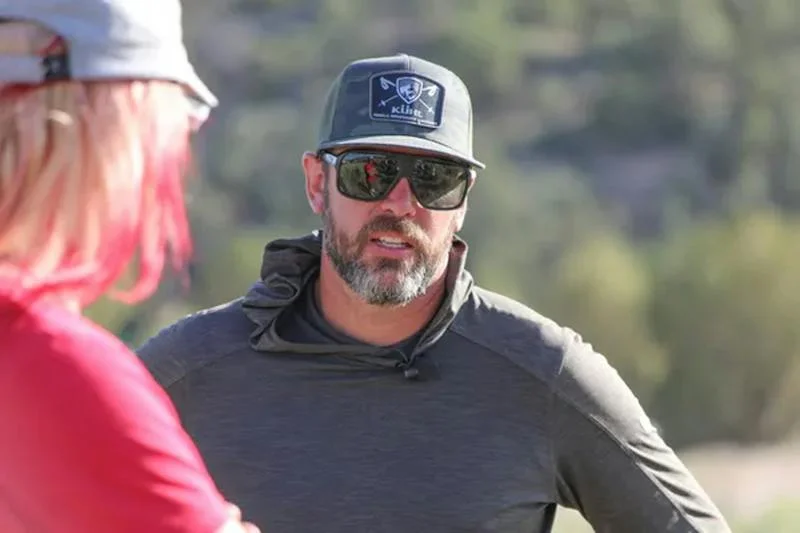
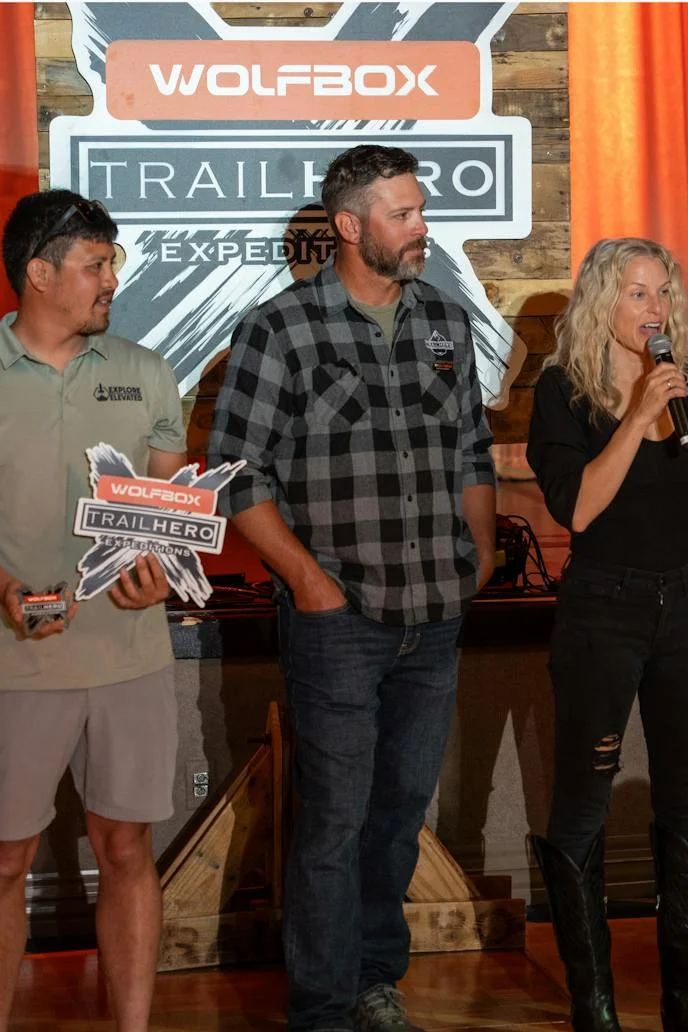
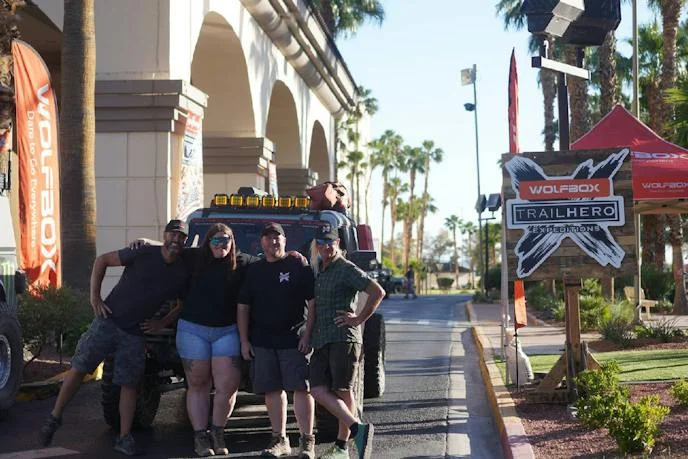
This year, Wolfbox is extending Trail Hero’s reach as title sponsor of Trail Hero Expeditions Season 2. The series aims to bring the sport’s challenges and atmosphere to viewers at home, while the event itself continues to unite rock crawlers, side-by-sides, overlanders, families, newcomers, veterans and participants with disabilities.
Trail Hero reports that its efforts have helped more than 1,000 people with special needs and more than 4,000 veterans experience Southern Utah through motorized recreation. The organization says it donates more than $80,000 each year, with proceeds supporting groups including 4 Wheel to Heal, the Red Rock Center for Independence, Racing Anxiety and land-use advocacy organizations. Those figures frame the scale of the work; Klein’s own account explains why access sits at its center.
A personal route to Trail Hero
Klein grew up in an off-road family and says his first rollover came when he was two. The attraction, he recalls, was the freedom to explore places beyond the reach of ordinary travel, along with the restorative pull of being outdoors.
His motivation shifted from personal enjoyment to organizing when he saw public lands facing closures. Klein wanted to create a voice for motorized access, particularly for veterans and people with disabilities who may depend on vehicles to reach outdoor spaces. That goal became Trail Hero, launched in 2016.
The event has expanded since then, but Klein describes its purpose as consistent: make outdoor experiences available to people who might otherwise be excluded, and do so in a setting that’s welcoming and enjoyable. He sees the work as a way to bring people together around the right of people with disabilities to enjoy nature and the therapeutic experience of being outside.
In that framing, “hero” has little to do with a trophy or a highly modified rig. It can mean offering someone a ride who hasn’t had the chance to experience a trail, or giving time, equipment or financial support to help that opportunity happen. That definition makes participation broader than driving: there’s a role for people who help others reach the trail, too.
Different rigs, a shared experience
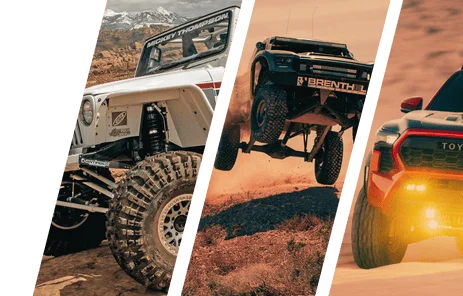
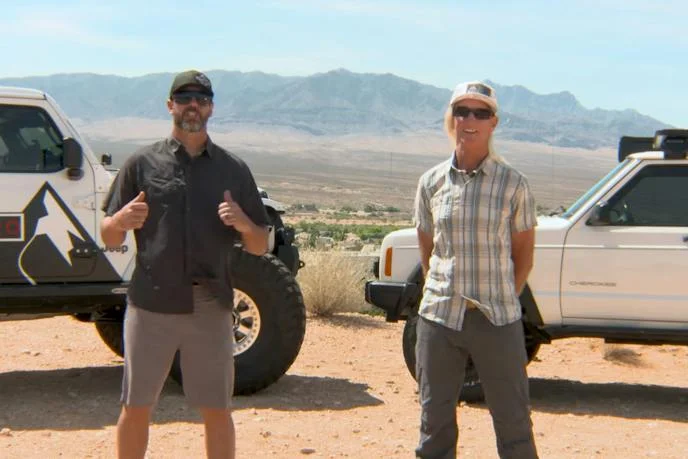
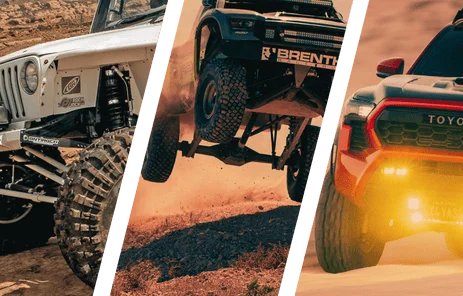
Trail Hero’s unusual blend of participants is part of its appeal. Specialized rock crawlers share space with side-by-sides and vehicles that still handle weekday commutes. Experienced drivers meet families and first-timers. The variety reflects a broader truth about off-roading: equipment and skill levels may differ, but a trail day can give people a common reason to pitch in.
Klein says the moments that best capture the event are often small acts of help. Drivers offer someone a seat, assist them into a vehicle or guide them across a difficult section. For a participant who thought the outdoors was no longer accessible, reaching the top of a trail can matter more than the obstacle itself.
That’s where the event’s access mission becomes practical. For some, a motorized vehicle is not just a way to tackle difficult terrain; it’s the means of getting close enough to experience the landscape. Trail Hero’s model brings together drivers, volunteers and participants to make that possible, with inclusion built into the activity rather than treated as an add-on.
Wolfbox joins the expedition series
Wolfbox’s title sponsorship of Trail Hero Expeditions Season 2 gives the brand a larger role in bringing the event’s experiences to a wider audience. Klein says he first encountered the company through friends and social media, and was drawn to how its products could help drivers see around a vehicle on technical terrain.
That visibility can help a driver judge tire placement and understand what’s happening around the vehicle where ordinary sightlines fall short. Klein says Wolfbox equipment was put to work on Trail Hero’s rocky trails, where products had to demonstrate their performance and durability in use. His endorsement reflects his experience with the equipment; the source does not provide model names or independent test results.
For Season 2, Klein wants the series to convey the sport’s excitement, difficult decisions and uncertainty, carrying those experiences from the trail to viewers’ homes. He says Wolfbox technology integrated into the team’s setups helped capture quick decisions, demanding obstacles and memorable moments on camera.
The sponsorship therefore links two parts of Trail Hero’s work: the on-trail experience and the effort to show it to people who can’t attend. The series can make the sport more visible, while the event offers a hands-on introduction for participants. The practical test for the partnership is whether its equipment serves the needs drivers encounter on technical trails and helps the production tell those experiences clearly.
Starting without a purpose-built rig
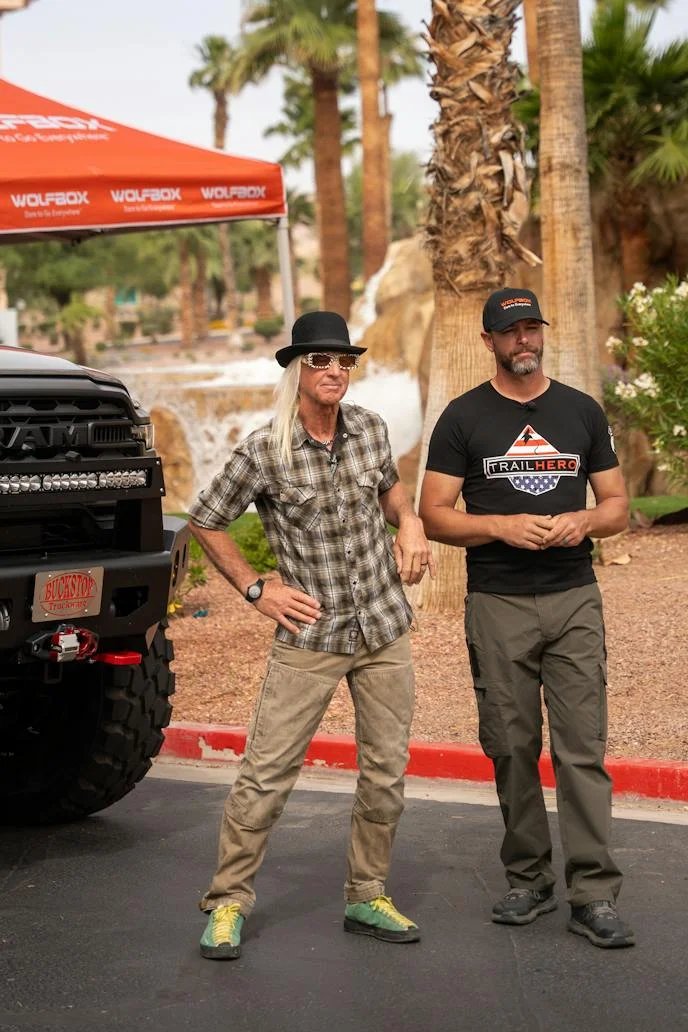
For newcomers, Trail Hero’s serious terrain and modified vehicles may look like a high barrier to entry. Klein’s advice is simpler: begin with one step, build confidence over time, and then look for ways to create opportunities for someone else.
That message fits an event where contribution doesn’t depend on owning a specialized vehicle or having years of experience. A first ride can lead to greater involvement, whether that means learning the trails, helping another participant or supporting the organizations connected to Trail Hero.
For buyers and enthusiasts watching the series, the equipment and obstacles will be part of the draw. But Trail Hero’s more lasting measure is who gets to share the experience. Its next season will put that mix of trail action and access in front of a larger audience, while the event’s work continues on the ground in Southern Utah.