California Insurance Commissioner Race Draws Record $6 Million in Outside Funding
Outside groups have put a record $6 million into the California race, sharpening questions about insurance industry donations and candidates’ plans.
A record $6 million from political action committees has flowed into the California insurance commissioner race, according to CalMatters. The scale of that outside spending puts funding and industry influence alongside the candidates’ competing proposals for insurance access, claims handling and consumer oversight.
The money has gone in both directions around two Democratic candidates. The report says $3.2 million was spent supporting state Sen. Ben Allen, while $1.5 million was spent opposing Jane Kim. The figures describe committee activity, rather than donations received directly by either candidate.
Industry money draws scrutiny
Both candidates have said they would not accept donations from insurance companies. Yet some committee funding came from insurance interests, CalMatters reports. Bail bonds insurers gave $30,000 to committees supporting Allen, a company connected to the bail bonds industry contributed another $9,500, and a health insurance committee gave $48,000.
Allen told CalMatters, “I didn’t ask for this and don’t welcome it.” He had returned some insurance industry donations made earlier in the race, the report says. The article also explains that super PACs can spend without a limit if they do not coordinate with a candidate’s operation; candidates cannot return that spending.
That distinction matters to readers assessing the candidates’ positions. A candidate may reject direct contributions while outside groups spend to support or oppose them. Kim argued that the funding reflects insurers’ interests, telling CalMatters: “The contributions that come in are a reflection of what the (insurance) industry believes is the best outcome for them. These contributions are an investment in him and themselves, not for consumers.” She also says she has not accepted corporate PAC donations.
The available figures identify several contributors and spending totals, but don’t establish that any donation determined a candidate’s position. The practical question for voters and policy watchers is whether each candidate’s proposed approach would address the problems they identify, and how those plans would work for people seeking coverage or waiting on claims.
Allen’s focus: market capacity and claims
Allen has served in the state legislature since 2014, according to his website, where he lists climate and environmental policy among his areas of focus. His insurance plan centers on restoring a competitive market as wildfires and climate disasters intensify.
His stated priorities include fair treatment after disasters and communities better able to withstand climate challenges. He also proposes action against insurers that “deny and delay,” along with post-disaster compliance measures. The plan would require higher upfront payments for coverage, clearer explanations when claims are denied, and real-time reporting after disasters on delays and outstanding claims.
Those proposals point to two distinct pressure points: whether residents can obtain coverage in the first place, and what happens after they file a claim. Clearer denial explanations could help policyholders understand an insurer’s decision, while reporting on unresolved claims could make delays easier to track. The source does not specify how the proposed requirements would be implemented or what penalties would apply.
Allen also says he would make the department more transparent and accountable by modernizing customer service and filing systems, improving communication with consumers and providing more data. For drivers and homeowners comparing insurers, accessible service information and claims records could make company performance easier to assess. The plan’s value will depend on the data provided and how readily consumers can use it.
Kim’s proposals emphasize affordability and oversight
Kim previously served on the San Francisco Board of Supervisors and held roles as California political director for Bernie Sanders and California director for the Working Families Party, her website says. Her priorities include affordable, available coverage and what she describes as fast and fair claims.
Kim proposes a single-payer disaster insurance policy for state residents. She also says premiums should cover claims or be lowered. Her website argues that insurers should direct premium revenue toward policyholder protection, and that money beyond claims and a reasonable profit should go back to policyholders or support statewide resilience. It cites a $27 million salary paid to one insurance company chief executive last year.
Her claims proposals include freezing rates when a claim is filed, penalizing delays and providing immediate payouts. She also proposes holding insurers to account through market conduct examinations and elevated complaint rates. A consumer-facing performance dashboard would let people assess insurer risks before choosing a policy.
Kim’s longer-term goal is a public auto insurance option that would compete in the market. That proposal extends her affordability argument to drivers, while the dashboard and claims measures address the information and service consumers face when selecting or using coverage. The source gives no details on the option’s design, pricing or timeline.
What to watch
The candidates describe different routes toward a more accessible insurance market. Allen emphasizes market competitiveness, disaster readiness and department transparency; Kim puts more weight on affordability, insurer accountability and a public option for auto coverage. Their plans also overlap on faster, fairer claims and closer scrutiny of insurer conduct.
The record outside spending adds a funding question to that policy comparison. The reported donations and spending show why the candidates’ stated positions, the groups spending on their behalf or against them, and the details of their insurance proposals merit separate attention. For consumers, the clearest test will be whether the plans produce more available coverage, understandable claims decisions and practical ways to compare insurer performance.
Image
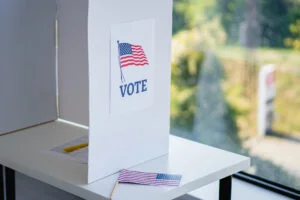
Photo courtesy of LordHenriVoton/iStock